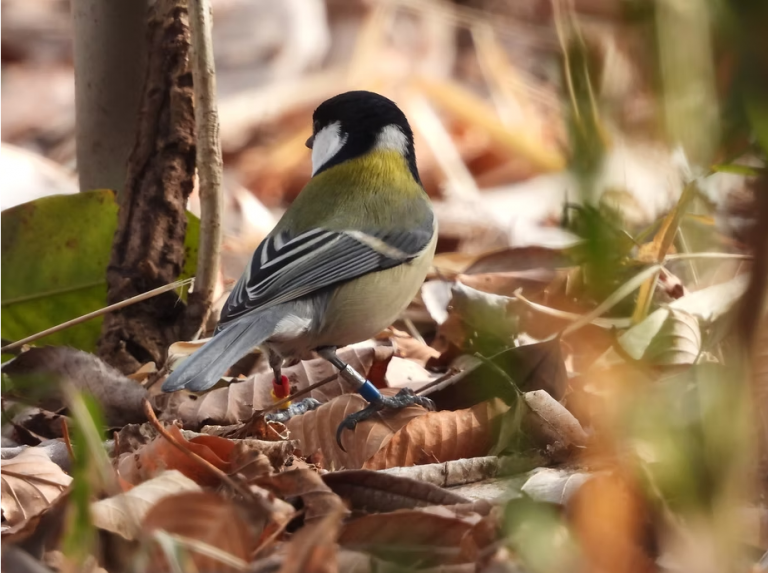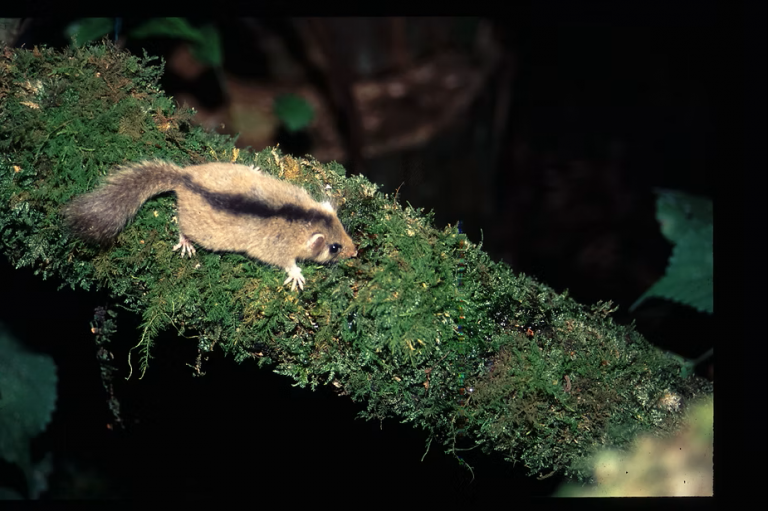
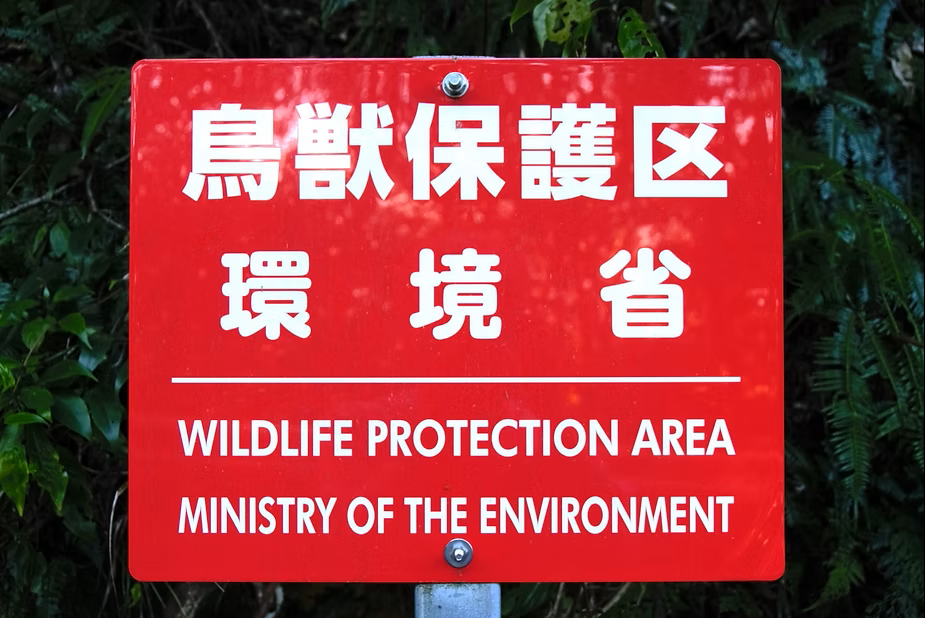
Discover nature! We have published our latest article, “Do you know about wildlife protection areas?”
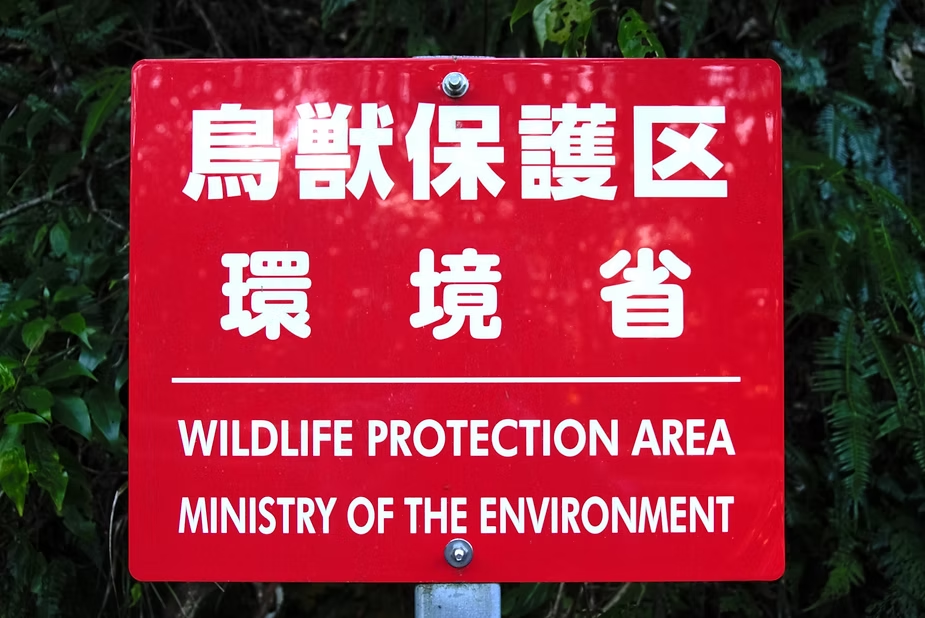
This may stray a little from the topic of “Discovering Nature,” but this time I would like to focus on “wildlife protection areas.”
The existence and name of wildlife protection areas are widely known, but few people are familiar with the details of what kinds of areas are designated and what kinds of regulations they are subject to.
Wildlife protection areas were established in Japan in 1950 as a result of revisions to hunting laws made during the post-war occupation. The Japan Bird Protection League was established in 1947, and Bird Week was designated in the same year, 1950. At that time, wildlife protection areas were created as regions where activities such as tree felling were regulated, in addition to existing “no-hunting zones,” specifically to protect and breed wildlife (Photo 1). In 1963, a major revision of the “Law Concerning the Protection of Wild Birds and Animals and Hunting” was enacted, transitioning the previous hunting-prohibited zones into wildlife protection zones, and wildlife protection zones into special protection areas, thereby establishing the current system. As a result, while the overall regulation in current wildlife protection zones is limited to hunting prohibitions, certain development activities are regulated only when an area is designated as a special protection area.
The criteria for designating wildlife protection zones have evolved over time in response to societal needs. Currently, the national government designates four categories: large-scale habitats, migratory bird habitats, breeding habitats, and habitats for rare wildlife. Prefectural governments add three additional categories: forest wildlife habitats, local wildlife habitats, and habitat corridors, bringing the total to seven categories.
There are currently 3,731 wildlife protection areas designated nationwide, covering 3,515,000 hectares (as of November 2021), making them the second-largest protected areas (land areas) in Japan after national parks, accounting for 9.3% of the country’s total land area. Of these, 85 wildlife protection areas covering 591,000 hectares (as of April 2025) have been designated by the national government (Minister of the Environment).